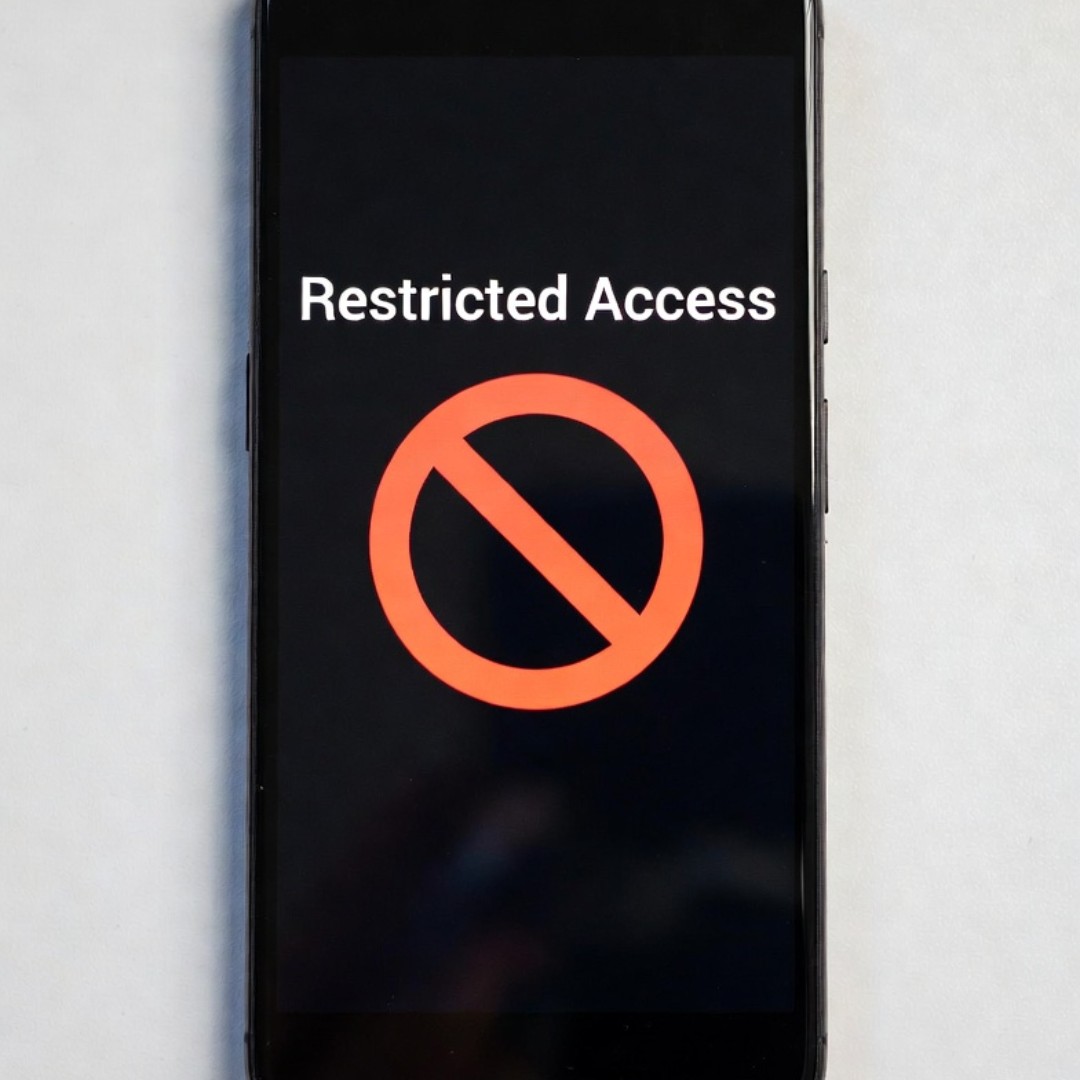
A growing number of governments have restricted TikTok on official phones and work devices, citing cybersecurity and data-risk concerns. That is not the same as a blanket public ban, and the rules are often narrower than headlines suggest.
The core point is straightforward, and it often gets lost in the shorthand: many countries have not “banned TikTok” outright. What they have done is restrict or remove it from government-issued devices — and in some cases from devices used for official work — as a security measure tied to government systems and data.
In the United States, the federal government’s 2023 implementation guidance from the Office of Management and Budget directed agencies to remove TikTok from federal devices and set deadlines for compliance. The memo also describes a broader scope than many people assume, extending beyond agency-owned IT to some contractor-used IT when it is used in carrying out federal work.
That wording matters because it clarifies what the policy is aimed at: government operating environments, not general consumer use. The OMB memo is implementing a “No TikTok on Government Devices” requirement, not a nationwide ban on the app.
Canada took a similar approach in 2023. In a Treasury Board statement, the government said TikTok would be removed from government-issued mobile devices and blocked from future downloads after the Chief Information Officer of Canada determined it posed “an unacceptable level of risk to privacy and security.” The statement presented the move as precautionary and pointed to the degree of access mobile apps can have on devices.
The UK also announced a ban on TikTok on government electronic devices after a security review, with the Cabinet Office describing the step as precautionary and saying it would strengthen policy on third-party apps. Officials also said there was limited need for staff to use TikTok on work devices.
Australia’s federal restriction was implemented through its Protective Security Policy Framework. An Australian government policy update said Direction 001-2023 restricts TikTok on government devices “based on the security risk presented by that application.”
In Europe, the picture is less uniform because institutions and national governments moved on different timelines. Reuters reported in 2023 that major EU institutions, including the European Commission, imposed staff-device restrictions citing cybersecurity concerns. A later European Parliamentary Research Service briefing said public authorities including the European Parliament, the European Commission and the Council of the EU banned TikTok from corporate devices in 2023, and noted that the Commission’s device suspension decision remained in force at the time of writing.
This is where a lot of the confusion comes from. “Ban” is doing too much work in many headlines.
In practice, it can mean:
no TikTok app on government-issued phones;
removal from devices used to access official systems;
limited exceptions for certain functions, including security, law enforcement, or operational need.
It does not automatically mean:
the app is illegal for the public to download;
private companies must stop using it;
a country has blocked TikTok nationwide.
Canada is a useful example of how separate TikTok policy actions can get collapsed into one story. The 2023 restriction targeted government-issued devices. In 2024, Canada separately ordered the wind-up of TikTok’s Canadian business operations on national-security grounds, but Reuters reported the government said it was not blocking Canadians’ access to the app or their ability to create content. Reuters later reported that a Canadian federal court set aside that order and sent it back for review. These developments are related, but they are not the same policy.
Governments’ public explanations also tend to be narrower than the public debate. Official statements and policy documents generally frame these decisions as security and privacy risk management for official devices and sensitive information, not as proof publicly released in each case of a specific breach tied to the app. Some statements and reporting explicitly describe the restrictions as precautionary.
That may sound technical, but it is the practical distinction at the center of the issue. These policies mostly address what governments consider an acceptable app risk profile on devices that may contain sensitive data, credentials, or access to internal systems. Whether that logic should go further — to consumer app-store restrictions or broader market action — is a separate policy question, and countries have not answered it the same way.
What we know / What’s unclear
What we know
Multiple governments (including the U.S., Canada, the UK, and Australia) have issued restrictions targeting TikTok on government-issued devices or official government environments.
These policies are commonly described by governments as precautionary security measures aimed at protecting official information and devices.
In many cases, this is not a nationwide ban on consumer use.
What’s unclear
Governments do not always publicly disclose the full technical basis, threat models, or incident-specific evidence behind each restriction. Reuters noted, for example, that EU officials did not detail specific incidents in the European Commission’s 2023 move.
Rules vary by country and institution, so the word “ban” can overstate how broad a policy actually is.