Australia does not have zebra mussels in its rivers or lakes. For biosecurity officials, that is the point — and the reason the latest finds have drawn attention.
The alert was triggered after authorities found dead zebra mussels attached to prohibited aquarium items imported into Australia. There is no evidence of a live population in the wild. But the detections were enough to prompt fresh warnings, because this is the kind of pest that is easiest to stop before it gets a foothold.
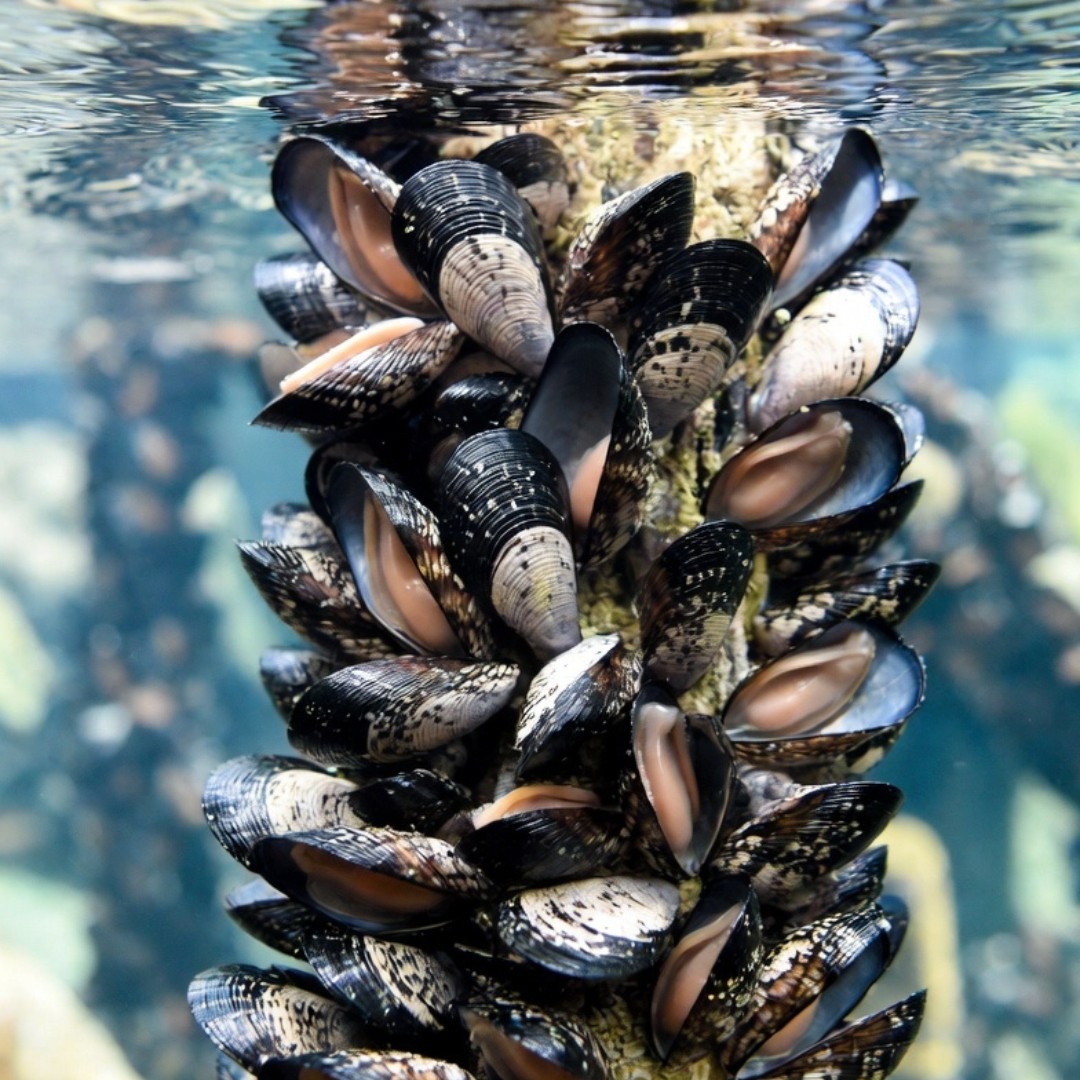
Zebra mussels are small freshwater mussels native to parts of Eastern Europe and Western Russia. On their own, they do not look especially dramatic: small shells, usually under two centimetres, often marked with dark zigzag bands. The problem is what happens when they spread.
They attach themselves to hard surfaces in huge numbers. Pipes, pumps, irrigation channels, boat hulls, intake systems — all of them can become surfaces for dense colonies. Overseas, that has turned zebra mussels from a small biological curiosity into a large and expensive maintenance problem.
Australian agencies are treating them as a high-risk exotic pest for the same reason. Federal and state guidance says an established population here could damage native ecosystems and create a costly infrastructure headache at the same time. Native species can be displaced. Water systems can be obstructed. Habitat conditions can shift. Even shorelines can become harder to use once shells build up in large numbers.
That mix of ecological and economic damage is what makes the species unusually difficult to ignore. A lot of invasive species are framed as either an environmental problem or an infrastructure problem. Zebra mussels can be both.
The most immediate pathway into Australia is the aquarium trade. The species can hitchhike on imported freshwater plants and other tank materials, including marimo moss balls, which are prohibited imports. In 2025, authorities recorded two separate detections of single dead zebra mussels attached to those items. That did not amount to an outbreak, but it did show the pathway is real.
There are other routes as well. Boats, trailers, fishing gear and any equipment that moves water between places can help transport larvae or attached mussels if contamination occurs. That is why warnings do not stop with aquarium owners. Boaters and fishers are part of the risk picture too.
The practical advice from biosecurity agencies is straightforward: do not dump aquarium contents into drains, waterways or gardens; inspect tanks and accessories carefully; and clean and dry equipment before moving it between waterways. The goal is not just to catch a zebra mussel if one appears. It is to avoid giving one a chance to spread unnoticed.
The bigger story here is not that Australia has a zebra mussel problem today. It does not. The bigger story is that officials are trying to keep a known international pest from becoming tomorrow’s expensive regret.
That kind of early warning can sound alarmist when nothing has established yet. In reality, it is usually the cheapest stage to act.
What we know Zebra mussels are not established in Australian waterways. They are listed by Australian authorities as a higher-risk exotic environmental pest. In 2025, authorities detected two dead individual zebra mussels on prohibited imported marimo moss balls. Zebra mussels and marimo moss balls are both prohibited imports. What’s unclear There is no evidence of a live breeding population in Australia. The immediate threat remains low while detections are limited to dead specimens, but the long-term risk would change quickly if live mussels entered a connected waterway. What to do if you spot one
If you think you have found a zebra mussel, do not move it, flush it or throw it out. Keep the item contained, take a clear photo, and report it immediately through the federal SEE. SECURE. REPORT. hotline on 1800 798 636, the reporting form at agriculture.gov.au, or your state biosecurity authority.
Sources: Department of Agriculture, Fisheries and Forestry; DPIRD Western Australia.