
Why Killing a Cartel Boss Rarely Ends the Cartel: Lessons from Mexico’s Endless Drug War
When Mexico takes down a cartel boss, the first reaction is usually the same: this is huge, maybe this changes things.
Sometimes it is huge. It just usually doesn’t change things in the way people hope.
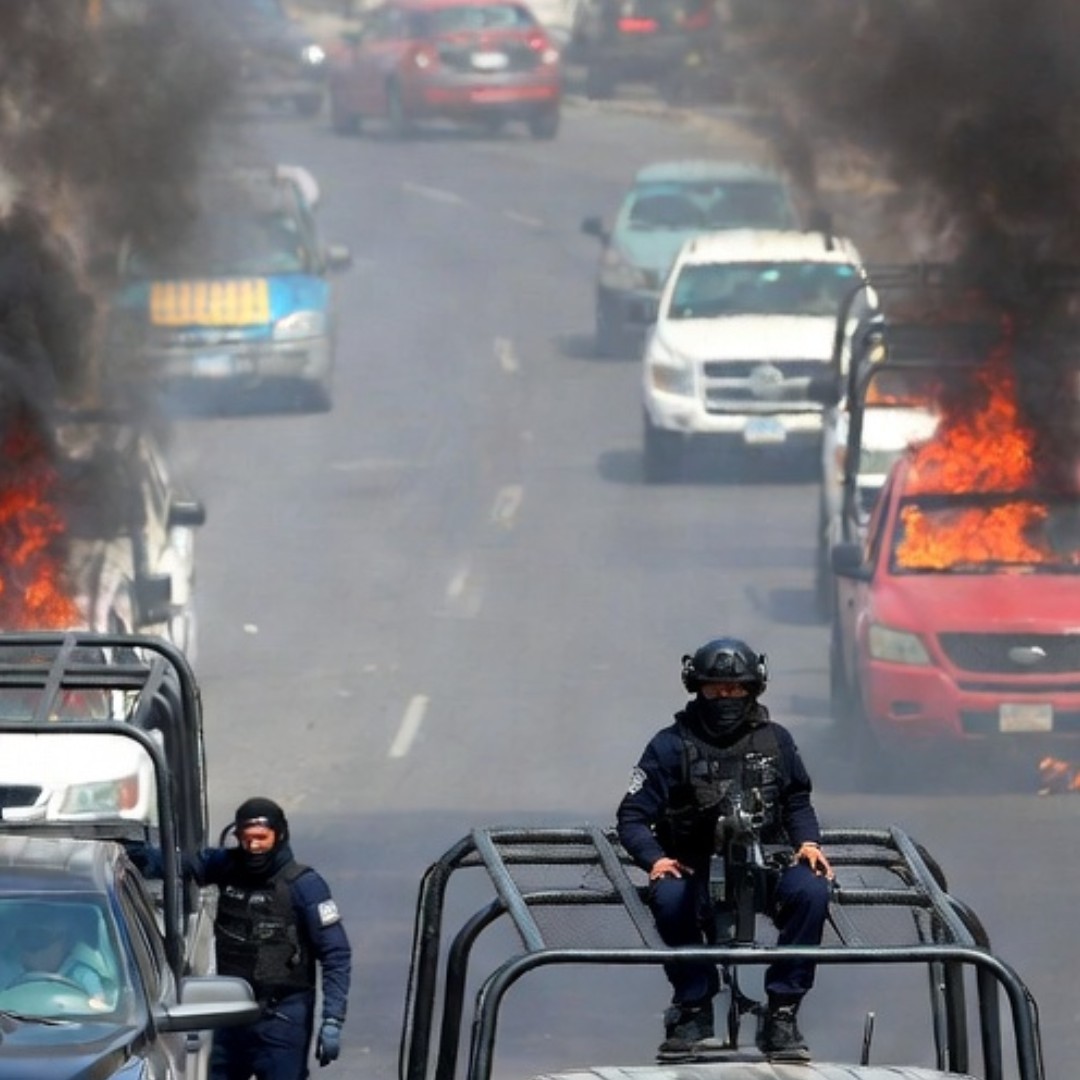
A top figure is killed or captured, and the headlines come fast. Then the backlash comes faster — roadblocks, burned cars, gunfire, panic. After that, the group either breaks into smaller violent factions or reorganizes under someone else. Either way, the trafficking keeps going. The drugs don’t stop. The violence doesn’t end. It just moves around.
That part is easy to miss if you only follow the first headline.
Mexico’s biggest cartels were never built like a simple pyramid where everything depends on one man at the top. Groups like Sinaloa and the Jalisco New Generation Cartel (CJNG) operate more like networks: regional commanders, armed cells, smugglers, money people, local enforcers. A leader can matter a lot, sure. But the day-to-day business runs on profit, fear and routines that don’t disappear overnight.
So yes, taking out a boss can hurt a cartel. It can also trigger the next round of violence.
CJNG is a pretty clear example. It emerged as a splinter from older groups around 2009–2010 and grew fast, helped by extreme violence, control of key ports tied to precursor chemicals, and a drug portfolio that included methamphetamine, cocaine and, increasingly, fentanyl.
And fentanyl changed the whole business.
It’s cheap to make in clandestine labs using chemicals mostly sourced from Asia. It’s easy to move in small amounts. It’s incredibly potent. That pushed cartels further toward synthetics and away from bulkier plant-based drugs like heroin and marijuana. More value in less space, easier concealment, more lethality per shipment — a brutal equation, but a very profitable one.
The consequences in the United States have been devastating. Record overdoses followed. Most fentanyl enters through legal ports of entry, hidden in vehicles or cargo, often moved by U.S. citizens.
That’s why the kingpin strategy — targeting top cartel leaders for capture or killing — has always had limits, even when it produces real tactical wins. Mexico has relied on it since the early 2000s. And it can absolutely disrupt command for a while. Taking out figures like Joaquín “El Chapo” Guzmán, or now Nemesio Oseguera Cervantes (“El Mencho”), can create real confusion.
But the disruption usually doesn’t hold.
What comes next is often uglier: internal fights, splinter groups, rivals testing territory, local commanders trying to prove themselves. Violence can spike because the hierarchy gets shaken while the money and routes are still there. The organization doesn’t necessarily collapse. More often, it changes shape and keeps operating.
Succession is part of the problem. A leader like El Mencho held control through family ties, fear and profit-sharing. If there’s no clear successor — and sons or close relatives are often jailed, killed, or both — regional commanders start maneuvering. Sometimes they cut deals. Sometimes they fight it out.
Even when a cartel loses ground in some plazas, it can still keep the pieces that matter most: smuggling corridors, production capacity, access to ports, money flows. Fentanyl labs can move. Routes can be rerouted. The supply chain stretches across borders and doesn’t depend on one territory staying stable.
And that gets to the bigger issue. This is not just a leadership problem.
Cartels thrive where the state is weak, corruption is entrenched, and legal work doesn’t offer much of a path forward. In rural areas, farmers who once relied on opium poppies may now face extortion from groups controlling avocado production or fuel theft instead. In cities, impunity helps make extreme violence feel almost routine — public executions, social-media propaganda, attacks on officials.
The state is there, then not there, then there again. Criminal groups are very good at operating in that gap.
U.S. policy has added pressure through sanctions, intelligence sharing and terrorist-group designations. Those measures can raise costs and complicate operations. But they don’t fix the market on their own. If addiction treatment remains insufficient in the U.S. and economic opportunity stays limited in parts of Mexico, the incentives are still in place.
Decapitation can create an opening. Governments can use that window to hit labs, precursor shipments, finances and transport routes. Joint U.S.-Mexico efforts have disrupted routes and seized large quantities of chemicals.
But synthetic drugs are still highly profitable, and small shipments are hard to stop completely. The system doesn’t need perfect access to survive — just enough gaps, enough replacements, enough demand.
So yes, leaders matter. Until the network absorbs the loss.
That’s usually what happens. One boss goes down, the structure bends, people die, routes shift, and the business keeps moving. Not because leadership is irrelevant, but because the cartel is bigger than the man running it.