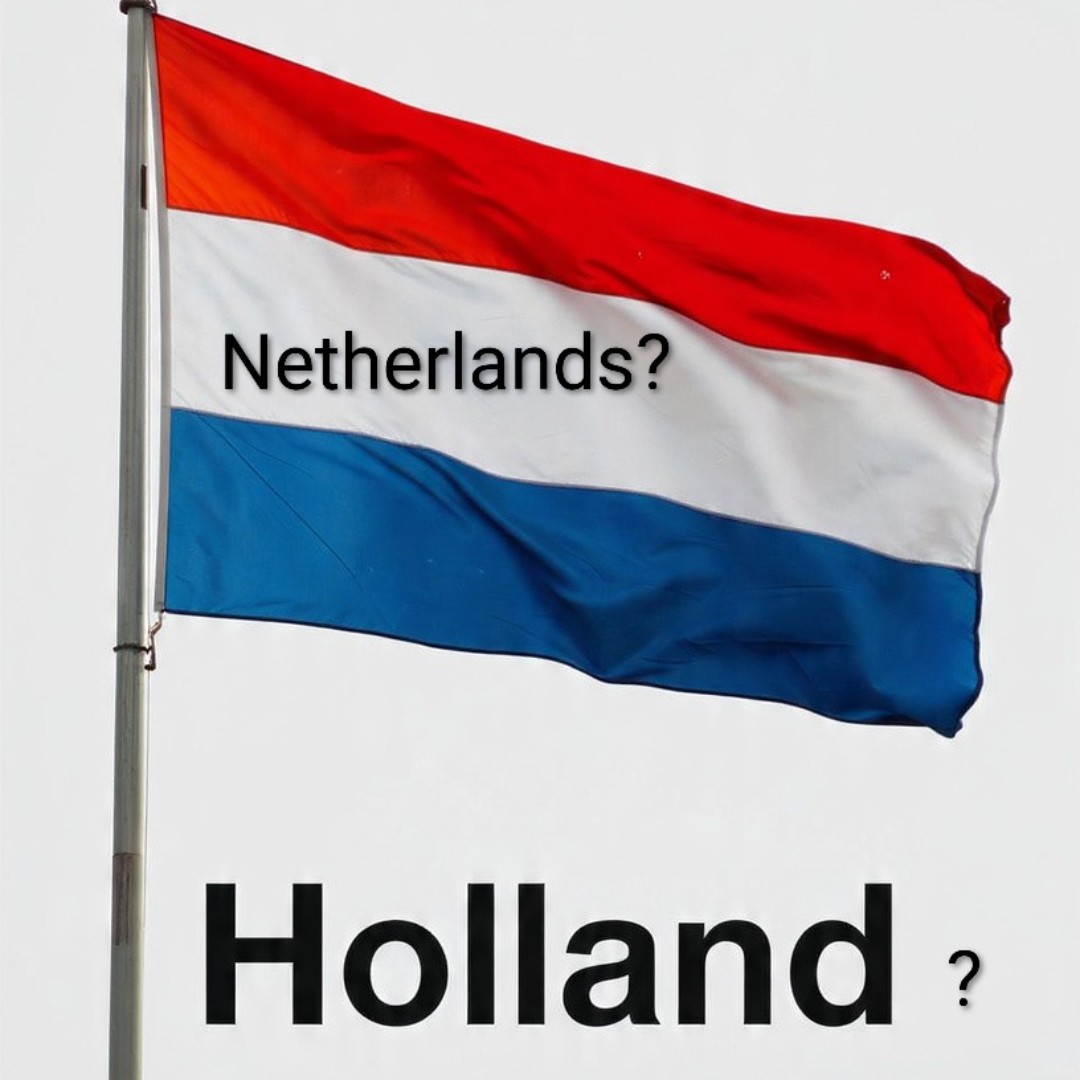
It’s one of Europe’s most persistent geography mix-ups, and it didn’t happen by accident. “Holland” is a real place — just not the name of the country.
“Holland” is not the official name of the country. The country is the Netherlands (more formally, the Kingdom of the Netherlands), and North Holland and South Holland are two of its 12 provinces, according to the Netherlands’ official tourism site and Encyclopaedia Britannica.
The reason the mix-up persists is largely historical and practical. Those two provinces became the part of the country most visible to outsiders. Britannica notes that Amsterdam, Rotterdam and The Hague are in the Hollands, and that trade and political contact often flowed through that region, helping “Holland” become shorthand abroad.
The Dutch tourism board’s own explainer adds that “Holland” was used in earlier political arrangements, including as a province and in kingdom-era naming, which also helped the term stick internationally even as the modern Netherlands took shape.
That’s why the word still shows up so often in casual use — and in older branding. The Dutch tourism site itself still uses the “Holland.com” domain while also spelling out the distinction. The more accurate name for the country, though, is the Netherlands.
Dutch officials also moved in recent years to standardize international branding around “the Netherlands” rather than “Holland,” a shift reported at the time by major outlets including The Guardian.
Most people will understand “Holland” as a reference to the country. It’s common usage. Strictly speaking, though, it refers to only part of the Netherlands.
Sources: Netherlands Board of Tourism & Conventions (Holland.com), Encyclopaedia Britannica, The Guardian.